


UX/UI in pharma: when experience heals

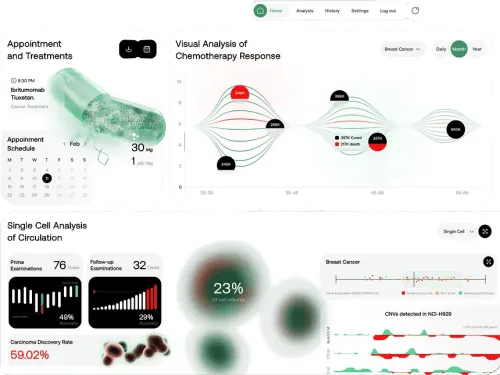
In the pharmaceutical industry, UX/UI design has become a strategic tool to improve communication, treatment adherence, and patient trust. Here is how companies in the sector are transforming their digital experience.
The pharmaceutical sector is undergoing a quiet transition: from selling products to delivering complete healthcare experiences. In a regulated, competitive, and highly digitalized environment, UX/UI design has become a strategic differentiator. At Several.pro, we design digital experiences that translate medical complexity into clarity, empathy, and trust. And in this sector, trust is everything. The importance of a website for a pharmacy- Patient-centered UX: understanding before conversion
- Platforms for professionals: usability that drives accuracy
- Augmented reality and simulations: immersive, safe training
- Omnichannel experience: consistency that builds loyalty
- The impact: from design to trust
- Transform your pharmaceutical communication into an experience that builds trust
Patient-centered UX: understanding before conversion
A patient who understands their treatment trusts it more. That is why UX/UI design in pharma must go beyond visuals: it must guide, reassure, and educate.
- Visual hierarchies that reduce cognitive load.
- Accessible language, without unnecessary technical jargon.
- Inclusive designs that adapt to all ages and abilities.

Platforms for professionals: usability that drives accuracy
Doctors and pharmacists work under pressure. Every second counts. That is why a slow, confusing, or unclear interface is more than a technical issue: it is an operational obstacle.
- Smart dashboards with prioritized clinical data.
- Semantic search in product or study catalogs.
- Modular designs that integrate different information sources.
At Several, we design digital ecosystems that increase efficiency and reduce errors in critical environments.
Augmented reality and simulations: immersive, safe training
Medical training is changing. Augmented reality and virtual reality make it possible to train without risk, visualize molecules, or simulate surgeries with precision. But real impact only comes when the experience is well designed.
- An immersive interface that guides without distracting.
- Intuitive controls compatible with multiple devices.
- Adaptive design that adjusts difficulty to the user profile.
Our UX/UI teams create digital environments that improve knowledge retention and operational safety.
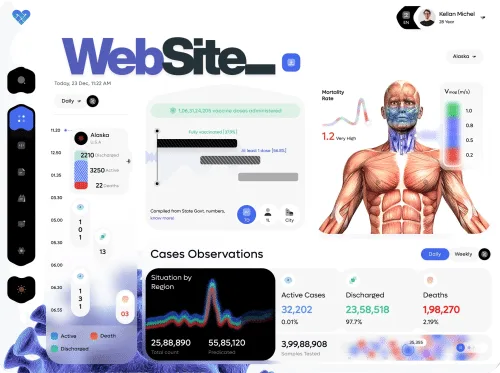
Omnichannel experience: consistency that builds loyalty
Patients and professionals do not distinguish between an app, a website, or digital support. What they expect is consistency. A unified visual language conveys solidity, while fragmentation destroys trust.
- Consistent designs across all digital channels.
- Seamless integration between platforms (CRM, e-learning, apps, medical portals).
- Smart personalization by user type and context.
We help pharmaceutical brands maintain a strong, consistent identity across their entire digital ecosystem.
The impact: from design to trust
In a market where products can seem similar, the difference lies in how they are experienced. Strong UX/UI design improves understanding, reduces treatment drop-off, and multiplies trust in the brand. At Several, we do not design screens. We design experiences that create sustainable relationships between brands and people. Our methodology combines strategy, design, and technology to translate business goals into experiences that truly bridge the gap between the user and the brand.
Transform your pharmaceutical communication into an experience that builds trust
If your company needs to redesign its digital presence or improve the experience of its medical platforms, our team can help.
Start your audit with usCategories
News


