


Multisensory Digital Design: The New Frontier of Web Experience

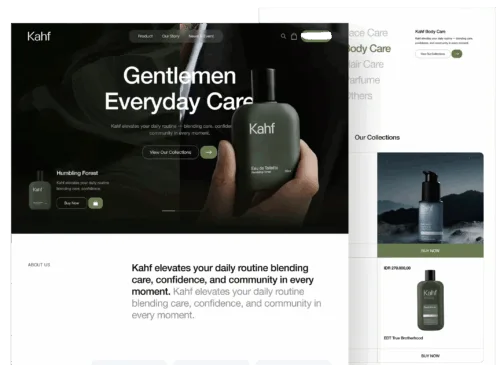
Web design is going through a profound change.
For years, the priority was visual: colours, typography, animations and layout. In 2025, however, digital design is moving towards a broader approach: creating multisensory experiences that involve hearing, touch and emotion.
The goal is no longer just to grab attention, but to build experiences people remember for how they make them feel.
Audio UX: the role of sound in digital interaction
Audio UX (auditory user experience) brings sound into the design as a functional element.
Small sound effects, such as clicks, confirmation tones or ambient sounds, help guide users and strengthen the identity of a brand or product.
Beyond aesthetics, sound plays an informative and emotional role: it can signal a completed action, warn about an error or simply make an interaction feel more intuitive and pleasant.
In digital environments saturated with visual stimuli, audio becomes a tool for differentiation and accessibility.

Haptic interactivity: feeling the interface
Haptic interactivity adds the sense of touch to digital experiences.
Through vibrations, micro-pulses or physical feedback, devices can convey sensations to users and improve their sense of control over the interface.
This technology, already present in phones, smartwatches and extended reality (XR) devices, turns every interaction into a more immersive experience.
For example, a light vibration when pressing a virtual button can replace the physical feel of a click, making navigation more natural and precise.
Digital synaesthesia: when the senses combine
The idea of digital synaesthesia is to combine visual, auditory and tactile stimuli to create emotional consistency in the user experience.
In this approach, colour, motion and sound work together to produce a unified sensory response.
For example, a soft tone paired with a smooth visual transition can convey calm, while contrasting colours with a sharp sound can create alertness or energy.
This synchrony between the senses makes the experience more emotionally memorable and the interface easier to understand.
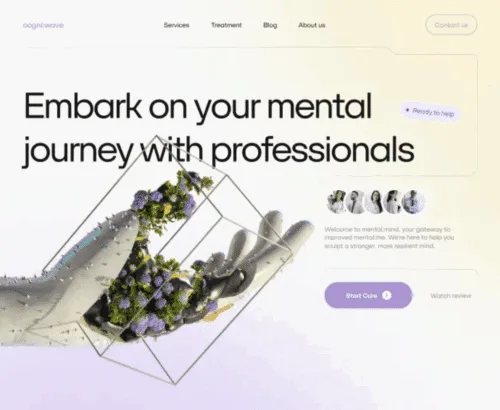
The future of digital design: more human experiences
Multisensory experiences are a natural evolution in the way we design.
As artificial intelligence, extended reality and haptic technologies become part of the web, users go from looking at a page to living it.
This approach brings new challenges for designers and developers:
- Rethinking accessibility to include more sensory channels.
- Designing for emotional consistency, not just visual consistency.
- Measuring user response beyond the click or the scroll.
The future of digital design will be more sensory, more immersive and, above all, more human.
Start your audit with usCategories
News


