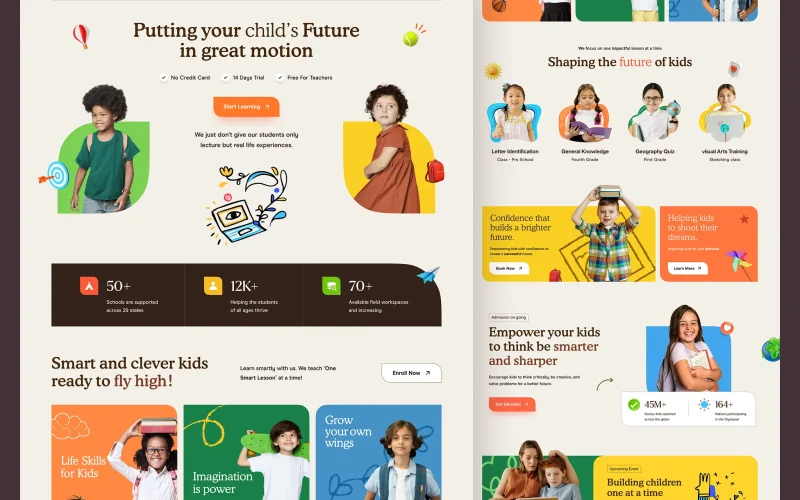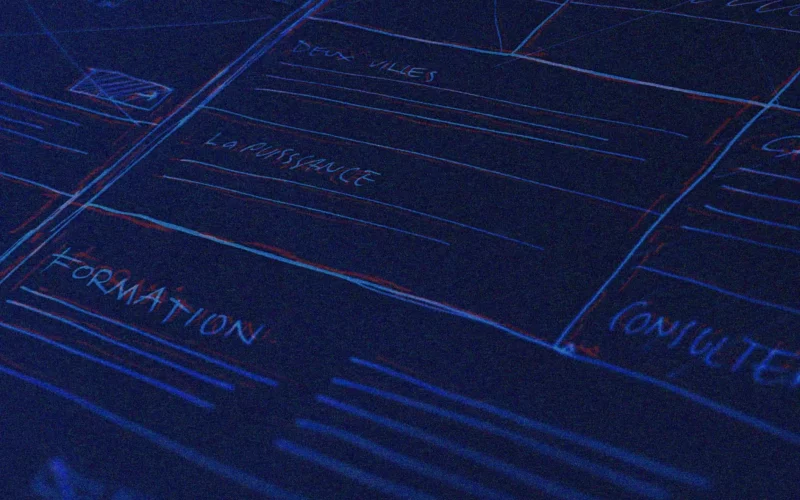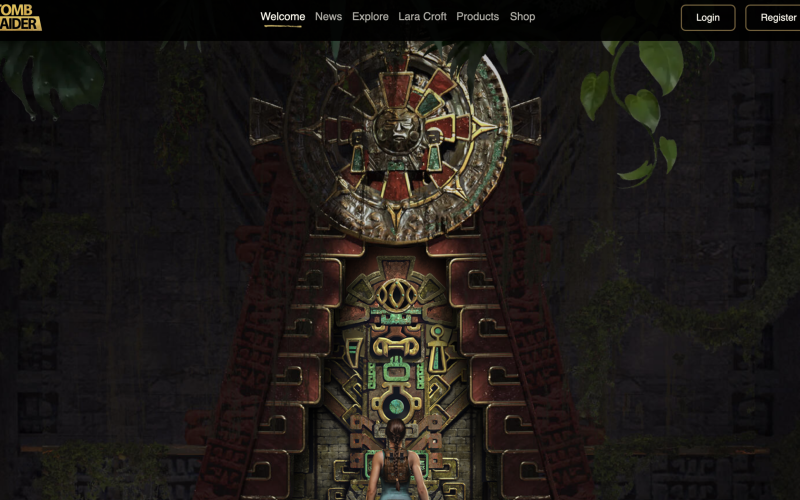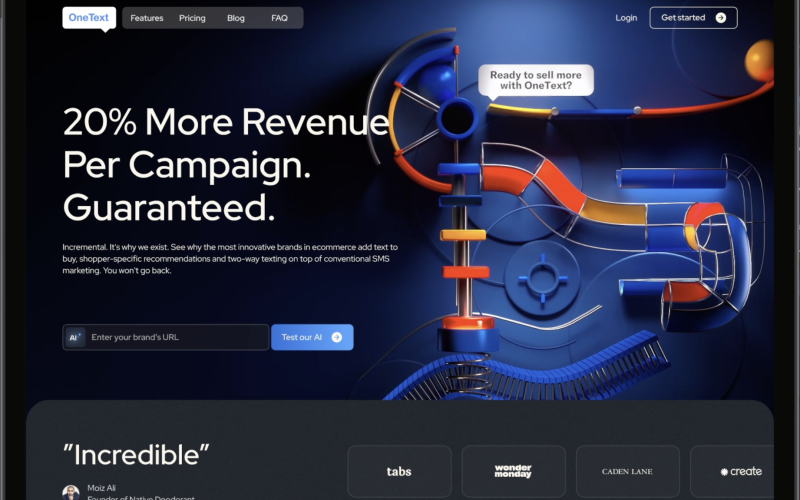

Technology websites cannot afford a poor user experience. It does not matter how powerful the product is or how innovative the technology proves to be: if the user does not understand the value proposition, cannot find what they are looking for, or becomes frustrated during the process, they will leave.
UX/UI design is one of the factors with the greatest impact on conversion, retention, and brand perception for a technology website. It is not just about visual design, but about creating clear, efficient experiences oriented toward business goals.
In this article, we analyze how to apply UX/UI strategically to technology websites to achieve real results.
Why UX/UI is key for technology websites
A technology website usually has very specific objectives: capturing leads, explaining a complex product, obtaining registrations, demo requests, or direct sales. All of this happens in a matter of seconds.
Users visiting these types of websites:
- Compare solutions quickly
- Have high usability expectations
- Leave if they do not understand the value in the first few moments
A poorly planned UX/UI generates friction, doubt, and distrust. A good experience, on the other hand, guides the user naturally toward the desired action.
What UX and UI mean for technology websites
User Experience (UX)
UX focuses on how the user interacts with the website and how they feel during that process. In a technology website, it involves:
- Clear information architecture
- Logical and coherent flows
- Intuitive navigation
- Reduction of cognitive load
- Accessibility and usability
The goal is for the user to understand the product, trust the brand, and complete the expected action effortlessly.
User Interface (UI)
The UI is the visual layer that makes the experience tangible. On technology websites, it must convey:
- Professionalism and trust
- Visual clarity and hierarchy
- Consistency in colors, typography, and components
- Visual reinforcement of key actions
Good visual design does not distract; it guides.
Benefits of UX/UI design for technology websites
Applying a well-defined UX/UI strategy brings direct benefits to the business:
- Increased conversion rate
- Reduced bounce rate
- Improved user retention
- Greater clarity in the value proposition
- Stronger and more professional brand image
Furthermore, a well-designed website reduces unnecessary inquiries and friction in the sales process.
UX/UI principles a technology website must fulfill
Data-driven user research
Designing without data is designing blindly. Analyzing real user behavior allows for the detection of blockers, doubts, and opportunities for improvement. Heatmaps, session recordings, and direct feedback are key.
Clear architecture and intuitive navigation
The user must know at all times:
- where they are
- what they can do
- how to move forward
Simple menus, logical hierarchy, and clear paths improve both the experience and SEO.
Goal-oriented design
Each page must have a specific purpose. Avoiding distractions and reinforcing a primary call to action (CTA) improves conversion.
Responsive and accessible design
The majority of traffic is now mobile. A technology website must offer the same quality of experience on any device and meet basic accessibility criteria.

UX/UI best practices oriented toward SEO and conversion
- Clear visual hierarchy with well-structured headings
- Scannable and easy-to-read content
- Optimized loading speed
- Simple and visible forms
- Micro-interactions that reinforce actions
- Visual feedback for every interaction
UX, SEO, and conversion work together. A good experience improves positioning and results.
Common errors on technology websites
Some of the most common failures include:
- Excessive information without hierarchy
- Overly technical messages without context
- Unclear or poorly placed CTAs
- Unnecessarily long conversion flows
- Designing without testing with real users
Avoiding these errors makes the difference between a website that simply exists and one that converts.
UX/UI as a driver for digital growth
Investing in UX/UI is not an aesthetic matter; it is a strategic decision. A well-designed technology website communicates better, converts more, and scales with the business.
Continuously optimizing the user experience allows for the detection of friction before it impacts metrics and maximizes the return on every visit.
Is your technology website reaching its full potential?
A UX/UI audit can identify immediate improvements in conversion, usability, and user experience. Designing with the user in mind is designing with the business in mind.