
Digital illustration: a strategic ally in product, beyond just a pretty design
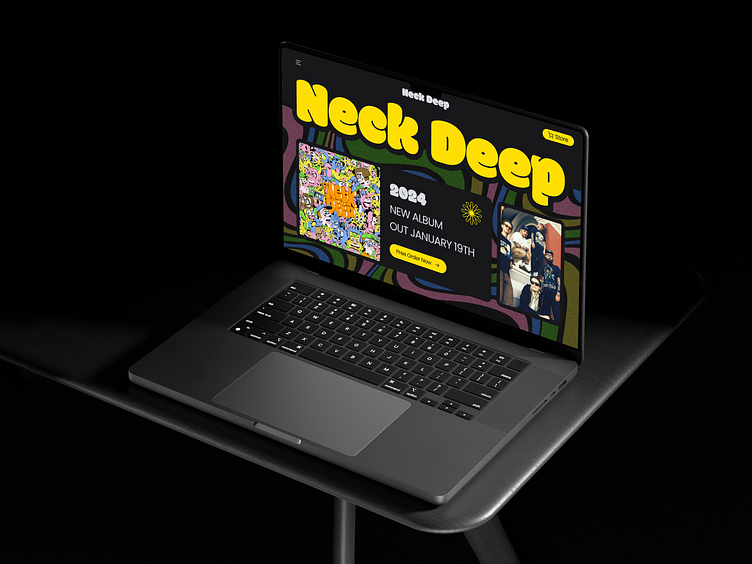
When we think about digital design, the first thing that usually comes to mind is the interface: buttons, typography, colours, structure. But there is a resource that, when used well, can make the difference between a functional website and a truly memorable experience: digital illustration.
And no, we are not talking about decorative elements or generic illustrations “just because it looks nicer“. We are talking about using digital illustration as a strategic tool within the digital experience: to communicate, guide, and reinforce the brand at every key point in the user journey.
Why does digital illustration matter in digital design?

Digital illustration does not only add personality. In digital environments, when used well, it can help you to:
- Explain complex concepts visually and quickly.
- Reduce cognitive effort in processes such as sign-ups, onboarding, or payments.
- Convey the brand tone with consistency and differentiation.
- Improve user retention with clear, human visual cues.
- Add personality and emotion that typography and layout alone cannot communicate.
As the experts at OMSE point out, the key is “figuring out what the illustrations need to do and how they need to feel“. Digital illustration creates specific emotional connections that go beyond aesthetics.
The transformation of modern branding through digital illustration
In today’s digital era, illustration has evolved from its traditional commercial origins into a discipline that represents a paradigm shift in expressive possibilities. The transition from paper to screen not only changed production methods, but also significantly expanded the visual repertoire available to illustrators.
Democratised access to digital tools has significantly enriched the range of styles available to brands. From vector minimalism to complex hyper-realistic illustrations, the spectrum of aesthetic options has expanded exponentially, enabling more precise alignment between a brand’s conceptual identity and its visual expression.
The most effective styles in digital illustration
Flat Design
This style has become one of the most popular in digital illustration, especially for digital startups. It is characterised by:
- Flat colours and simple shapes.
- Few visual elements.
- Easy to read and understand.
- Optimised for websites and apps.
Companies such as Airbnb have shown how this style can create a coordinated, “liquid” digital image where graphic design, images, and drawings integrate seamlessly.
Minimalist Illustration with Personality
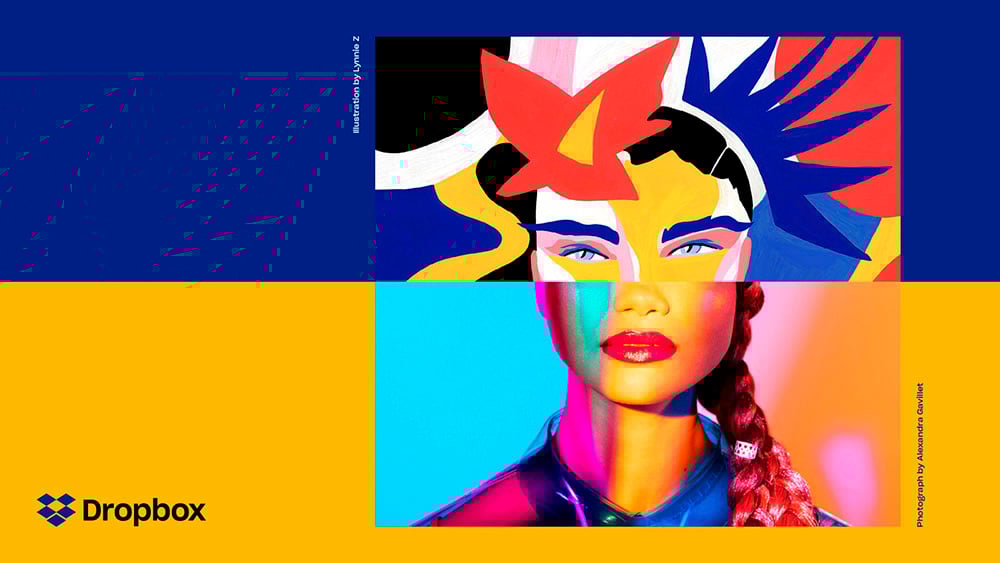
As an alternative to more generic flat design, many brands opt for styles that keep things simple while adding character:
Dropbox: introduced originality and irony while maintaining clarity.
Intercom: developed a distinctive style that humanises the tech experience.
These brands have shown how distinctive illustration systems can humanise inherently technical and abstract services, standing out in a sector traditionally dominated by minimalist, cold aesthetics.
Hand-drawn Style
The “revenge of drawing” has arrived in digital design. Brands such as Mailchimp revolutionised the space, even back in 2018, by introducing:
- Vibrancy and free imagination.
- Irregular drawings with a loose, inky feel.
- A clear break from the perfectionism of flat design.
Detailed Vector Illustration
For products that need to convey more information or create rich visual worlds:
- A higher level of detail.
- The ability to tell complex stories.
- Versatility across different scales and applications.
Differentiation in saturated markets
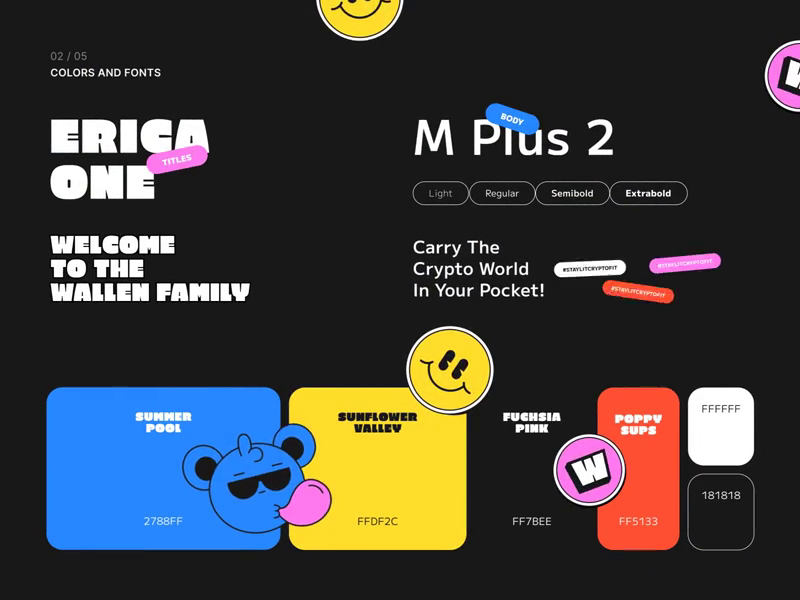
In a commercial ecosystem characterised by an overabundance of visual stimuli, digital illustration offers brands the opportunity to develop unique, recognisable visual languages.
Unlike commercial photography, which often has limitations in terms of differentiation, illustration makes it possible to build fully customised, distinctive visual worlds.

Communicating abstract values
Illustration’s ability to represent abstract concepts through visual metaphors makes it an especially effective vehicle for communicating brand values and complex ideas. Through deliberate stylistic choices, brands can convey attributes such as innovation, reliability, exclusivity, or accessibility without resorting to explicit statements.
Persuasive elements of strategic illustration:
- Conceptual simplification: The ability to distil complex ideas into visual representations that are immediately understandable.
- Emotional charge: The potential to create emotional connections through specific stylistic choices.
- Narrative flexibility: Adaptability for telling brand stories across different contexts and platforms.
- Systemic consistency: Ease of developing scalable, consistent visual systems across multiple touchpoints.
Practical applications: where does it make sense to use digital illustration?
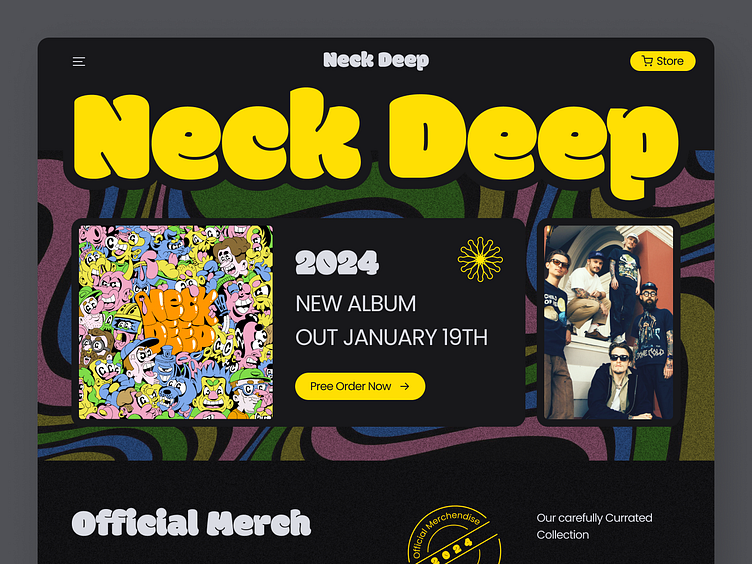
On landing pages: more clarity, more conversions
A good illustration on a landing page does not only capture attention. It can explain how your service works, represent key benefits, or support a value proposition so it is easier to understand—all in just a few seconds.
An illustration can say more than three paragraphs of text, and do so without creating friction.
In online stores: build trust and guide the user
In eCommerce, illustration can make the difference between a functional store and a memorable one. From illustrating promotions or campaigns to visually guiding users through processes such as product selection or checkout, it adds clarity and a consistent brand image.
In mobile apps: clearer, more human onboarding
The first screens of an app are crucial. Illustrations that are thoughtfully designed help reduce the learning curve and build empathy. They also work very well for visualising achievements, errors, or empty states.
The result: a more intuitive, more approachable app with better retention.
In dashboards or SaaS software: lighten the visual load
If your product has a certain level of complexity (like many SaaS products), illustration can add clarity without noise. It helps reinforce the message at key moments (no data, blockers, contextual help), and it can also convey brand tone in environments that tend to be cold and technical.
In campaigns, newsletters, and social media: visual consistency across all channels
An illustration that is well aligned with your visual identity and communication tone brings consistency across every user touchpoint. It improves performance in email campaigns, banners, and social media posts, generating more engagement and stronger brand recall.
How to choose the right digital illustration style for your project
According to the experts at Olssøn Barbieri, the choice should be “the result of the strategy, storytelling, and research process”. Consider:
The usage context
- Digital or print? Styles should be optimised for the medium.
- What scale? Some styles work better in large formats.
- What emotions do you want to convey?
Long-term versatility
As the experts at Decade note: “we want to establish a tone and an approach, not a specific style“. Illustration styles should allow for evolution without losing coherence.
Brand personality
Illustration styles should complement other visual elements such as typography. If you use serious, elegant typefaces, a hand-drawn style could create a disconnect.
Emerging trends and future perspectives in digital illustration
Integration with new technologies
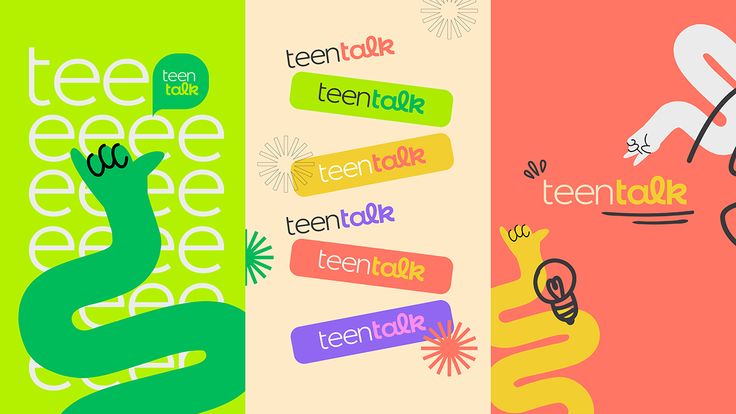
The evolution of digital illustration continues to accelerate through its integration with emerging technologies. The incorporation of animation, augmented reality, and interactivity is expanding the expressive and functional possibilities of brand illustration systems.
Particularly relevant is the trend towards creating modular, adaptable illustration systems designed to perform optimally in both static and dynamic environments.
Personalisation and strategic segmentation
The development of illustration systems with the ability to adapt to different audience segments represents another significant trend. Global brands are implementing modular stylistic variations that maintain a recognisable visual essence while incorporating culturally relevant elements for specific audiences.
The best digital illustration styles serve a clear purpose: to communicate, guide, move, or build trust. It is not about following trends, but about creating experiences that connect with the user in an authentic way.
“designers, illustrators, and creatives in general want to do new things, and brands should be built to encourage that“.
At Several, we focus on integrating illustration as part of the design system from the very start of the digital project.
Does your brand also need to stop looking like “just another one”?


