Before You Start: Are You Really Ready to Scale Your E-commerce?
Before diving into growth strategies for your online store, you need to answer these fundamental questions honestly:
- Are your margins healthy? Ideally, you want to have margins of 70% or more. This gives you room to invest in advertising, customer acquisition and retention.
- Does your product make you fall in love? The most successful brands generate repeat sales and referrals. If your product doesn’t do that, you need to improve it.
- Is there a natural demand for what you offer? If there are already searches on Google or social networks related to your product, you are at an advantage.
- Are you willing to work hard? There are no shortcuts. If you don’t have a viral product, a strong financial backer or a celebrity, you’ll have to build it with hard work and consistency.
Now let’s get to the strategies that really work to grow your e-commerce business.
Strategic Launching: Start on the Right Foot

Your launch is a unique opportunity. A good debut can attract attention, generate massive traffic and convert visitors into loyal buyers.
Recommended strategies:
- Create a waiting listUse the Jet.com or Robinhood model to build anticipation.
- Activate your personal network: Send mailings to friends, family and colleagues. They are your first customers.
- Seed content in relevant forumsReddit, Twitter, Product Hunt, and more.
- Do public relations from day oneContact bloggers, influencers, and media in your niche. Personalize each message. Better yet? Send them a free sample of your product.
SEO for E-Commerce: When to do and when not to do it
SEO is awesome… but not for everyone.

Ideal for products with existing searches. If no one searches for your product (like “hats for lizards”), SEO won’t do much good. On the other hand, if you sell something like “indigo blue dyed t-shirts for men”, you have a great opportunity.
Practical advice:
- Research with tools such as SEMrush for keyword analysis, Ahrefs o GrowthBar.
- Aim for keywords from low competition but with purchase intent.
- Use these words in your:Product titlesDescriptionsURLs friendlyMeta descriptions
- Create a blog with evergreen content focused on your niche.
- Optimize the site architecture: home → category → subcategory → subcategory → product.
- Get links with media mentions (quality backlinks).
Google Shopping: Your Best Advertising Ally

If there are searches for your product, then the Google Shopping ads should be your first paid channel.
Advantages:
- High conversion
- Excellent return on investment (ROAS of 300% or more)
- Relatively easy to implement
To get started you need:
- Google Ads Account
- Product feed (automatically generated by Shopify or WooCommerce)
- Initial budget (minimum $1,000 USD)
Key recommendations:
- Use professional images
- Describe your products with precise keywords
- Uses automatic bidding strategies such as “target ROAS”.
- Eliminate products that do not convert
Influencers or Multilevel Marketing: Make the Right Choice
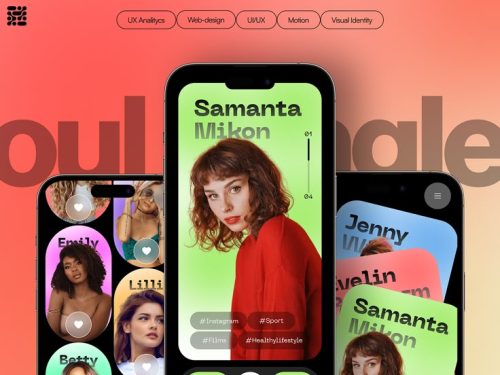
Influencers work, yes. But in many cases, influencers are not the only ones who affiliated marketers o ambassador schemes are even more effective.
Why?
- Pay for results (commissions)
- Amplify your reach without requiring a large upfront payment
- Build trust through real people
Tools such as Refersion, UpPromote or even customized programs can help you structure this network.
Organic Social Networks: Yes, They Still Work
Although organic visibility has declined, authentic content still generates connection with your community.
What works best:
- Short videos on Reels or TikTok
- User-generated content (UGC)
- Behind the scenes of your business
- Real customer reviews
CouncilDon’t try to “sell” in every post. Create content that educates, entertains or inspires.
Packaging and Experience: Details that Sell

The customer experience starts from the moment they receive the package. Do you make it unforgettable?
Powerful ideas:
- Add handwritten notes or surprise gifts
- Use sustainable and aesthetic packaging
- Includes discount codes for future purchases
Encourages Repurchase: Increases Customer Lifetime Value

True growth happens when your customers come back again and again.
Do this as a strategy to achieve it:
- Create an automated post-sales mailing system.
- Launches a loyalty program
- Offers subscriptions if applicable
- Ask for opinions and testimonials
Multichannel Expansion and Globalization
Don’t limit yourself to an online store. The future of e-commerce is multichannel.
Expands to:
- Marketplaces such as Amazon, Etsy, eBay
- Physical pop-up stores or collaborations
- B2B or wholesale
- Internationalization with language and currency options
Parallel Value Content: Indirect Growth
You can build an audience without selling directly.
Examples:
- Blog about the lifestyle of your buyer persona
- YouTube channel with tutorials or entertainment
- Podcast in your niche
A loyal audience eventually becomes customers… or ambassadors.
Yes, You Can Go Viral Too
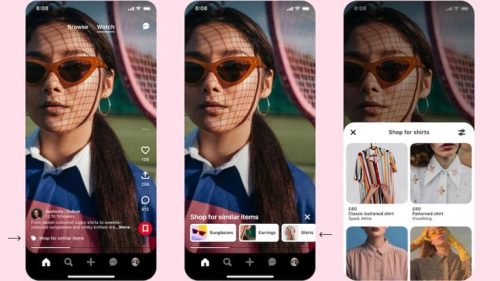
Although it cannot be forced, you can increase the likelihood of of virality:
- Leveraging TikTok trends
- Use popular sounds or hashtags
- Share authentic stories that provoke emotion
Meta Ads (Facebook and Instagram): Do they work? Yes, But…
Meta ads are no longer as cheap or as simple as they used to be, but they can still work. can still work if you structure them well.
How to do it?
- Uses similar audiences (lookalikes)
- Exclude cold hearings when scaling up
- Try multiple creativities
- Optimizes for conversion events, not clicks
Conclusion: Your E-commerce Success Is No Chance
Growing your e-commerce business does not depend on a magic formula, but on applying multiple strategies together. Launch hard, use smart SEO, bet on Google Shopping, create relationships with influencers or affiliates, and build loyalty with each customer as if it were the first.